
Namibia
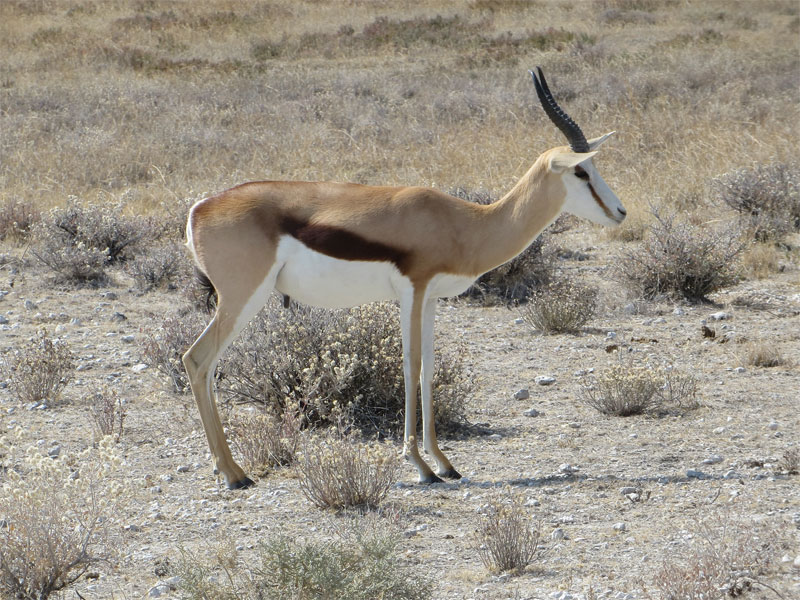
The ubiquitous Springbok in Etosha National Park
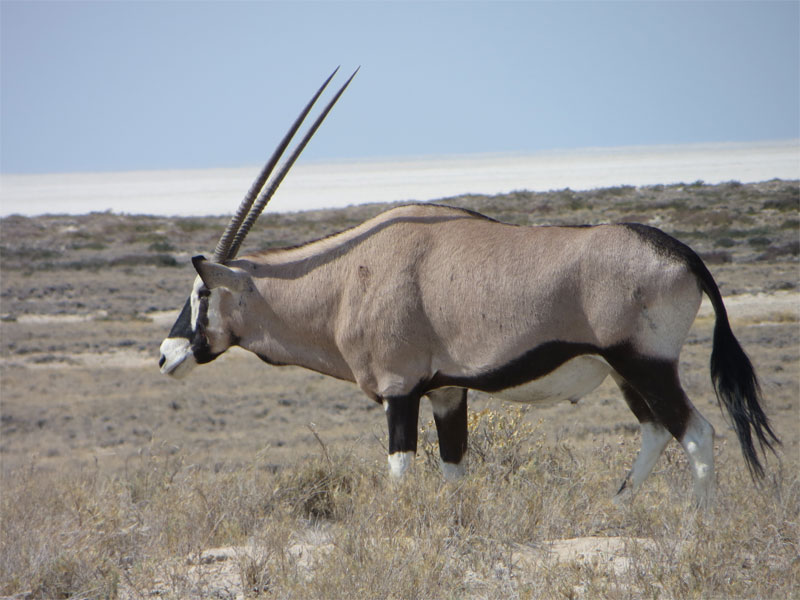
Gemsbok or Oryx. Their horns grow up to 3 feet long
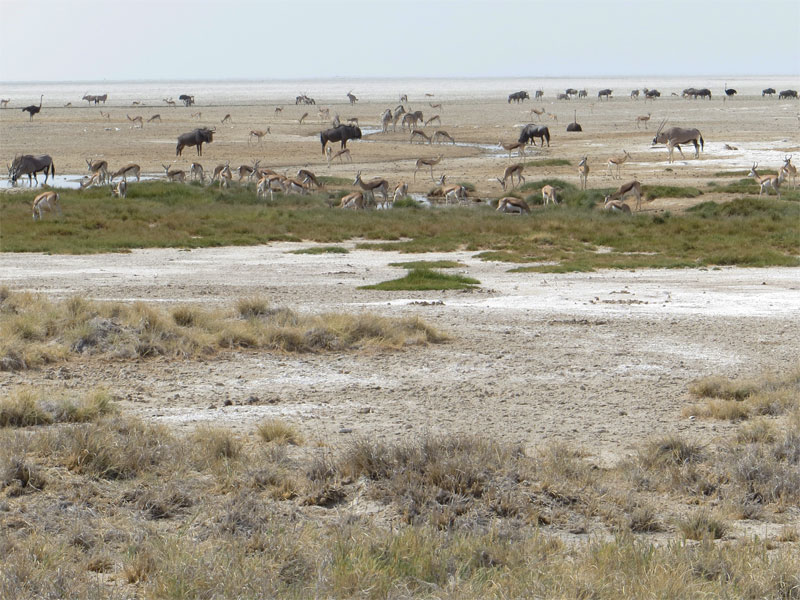
Waterhole out by the Etosha Pan (salt flat)
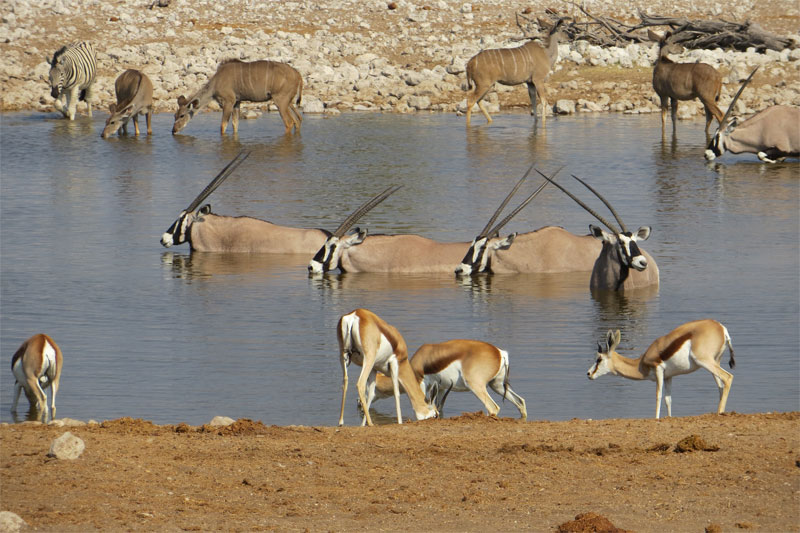
Waterhole right next to our lodge in the park - the scene was constantly
changing with different animals coming and going every few minutes.
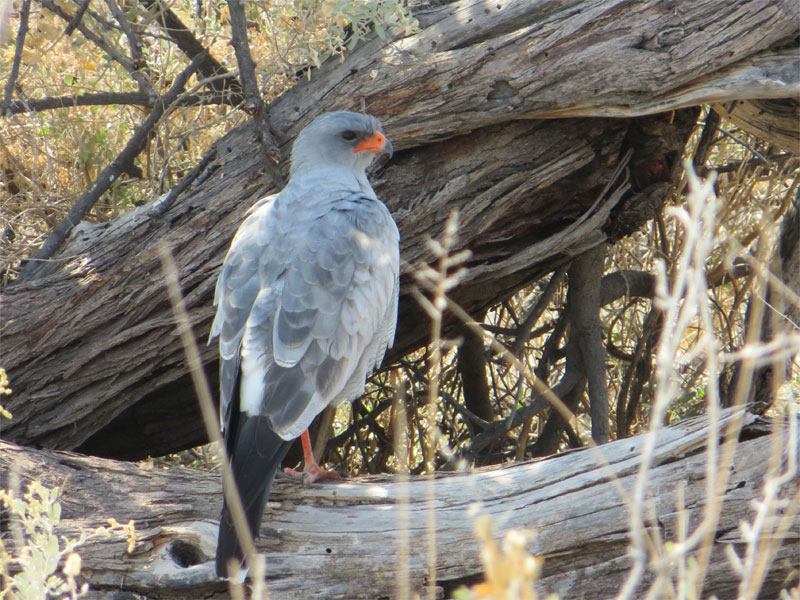
African Goshawks eat other birds, small mammals, and lizards.
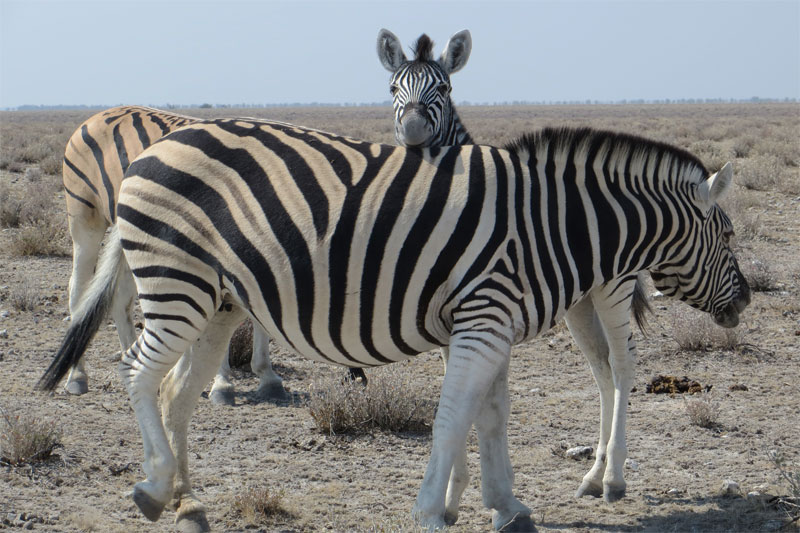
Although they may appear to be badly camouflaged, when they are in a herd the zebra’s distinct
stripes merge into a big mass and make it hard for predators to single out individual animals.
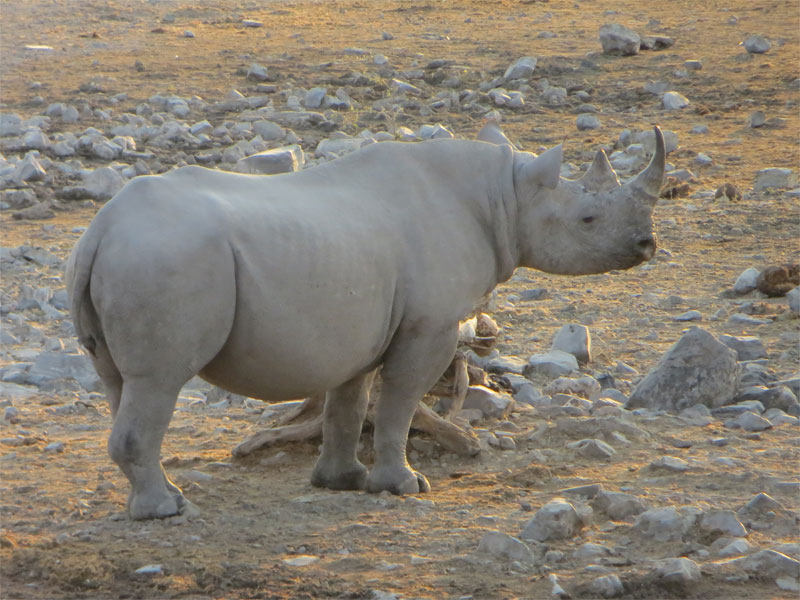
Black rhino - both it and white rhinos are actually grey. They mainly differ in size and lip shape. Black rhinos have pointed
lips while white rhinos have square shaped lips. White can weigh upto 3 tons while black top out at just over 2 tons.
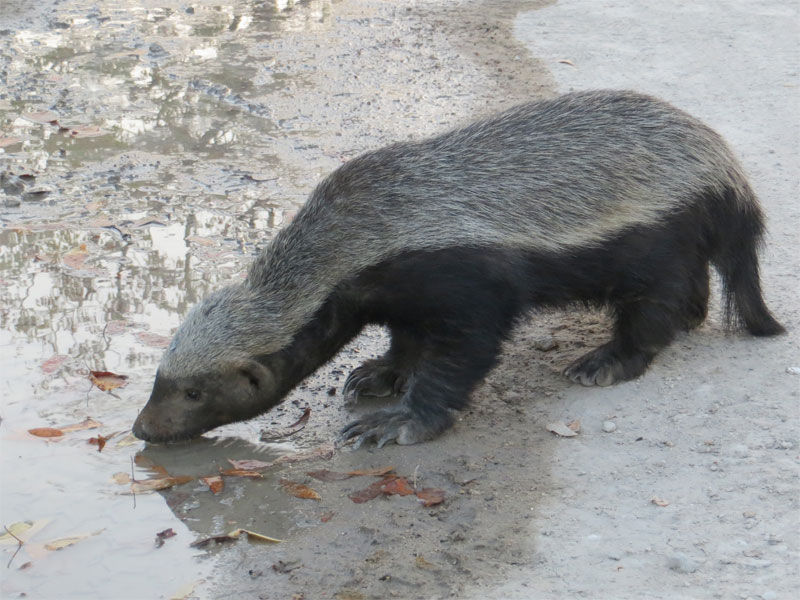
Honey Badger don't give a ... watch Youtube hit here (language warning)
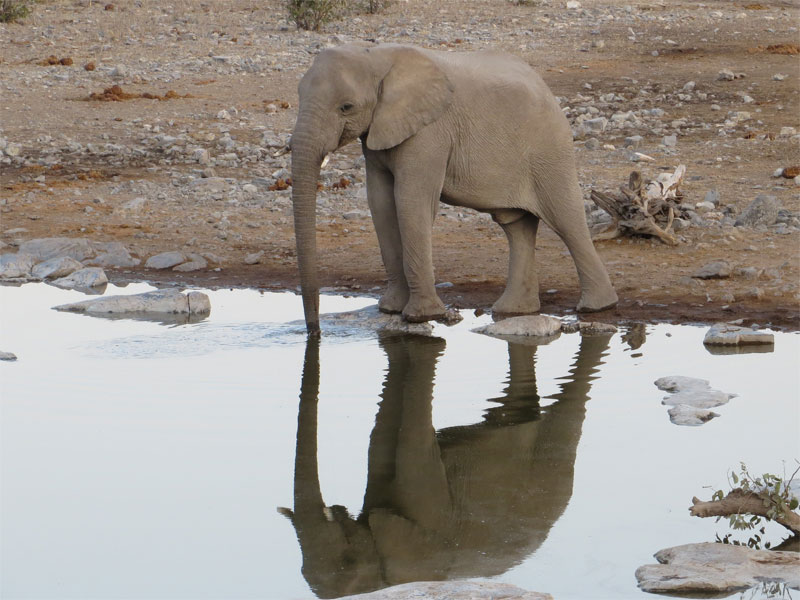
I told myself I wouldn't take many pics of animals, but the 20 times zoom on my camera surprised me.
How long can you look at the bloody things through binoculars, anyway?
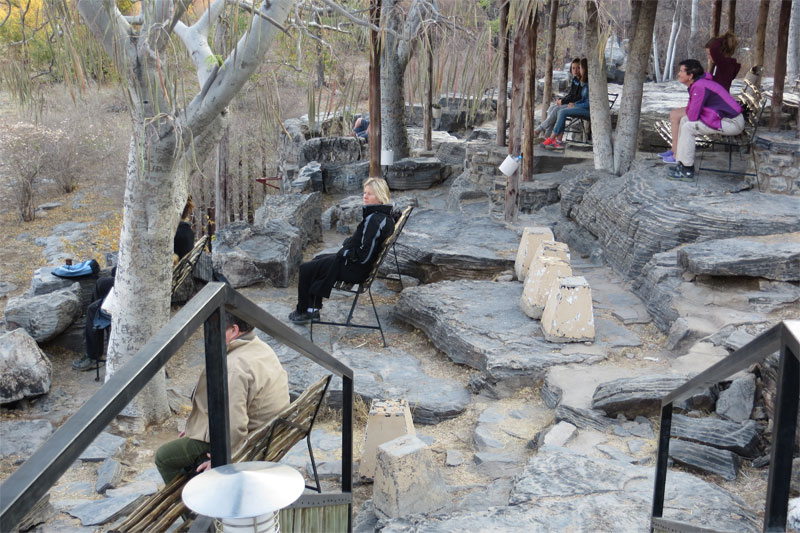
Early morning scene at a waterhole. We were there during the dry season, so all the animals have to go to one to
get a drink - the lazy man's safari!
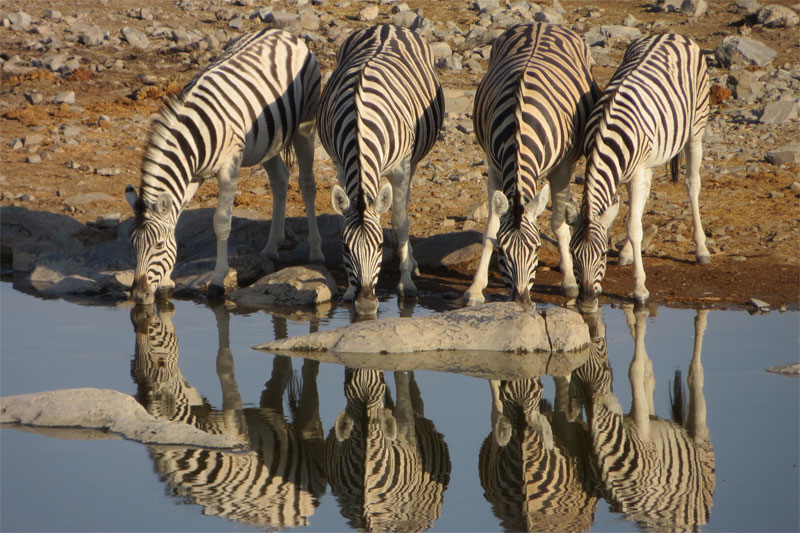
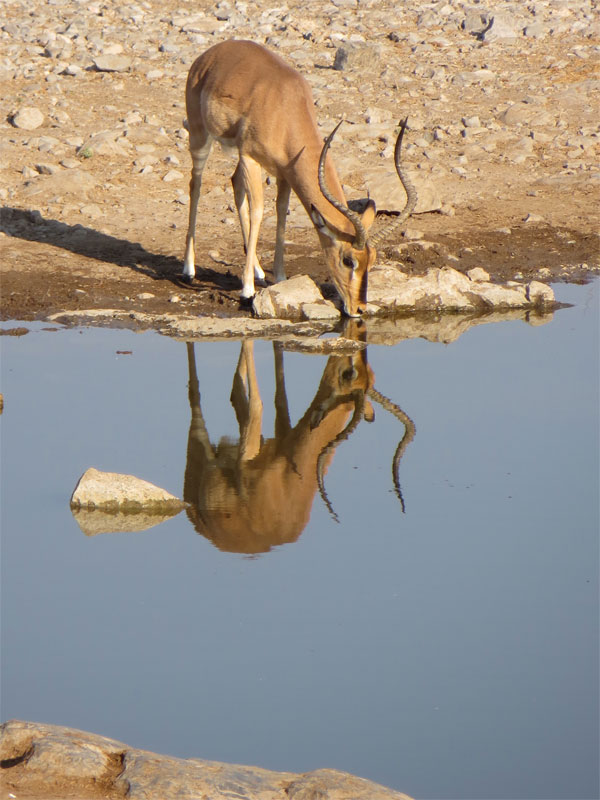
Impala buck - enough reflections for ya?

We drove out onto the Etosha pan (salt flat)
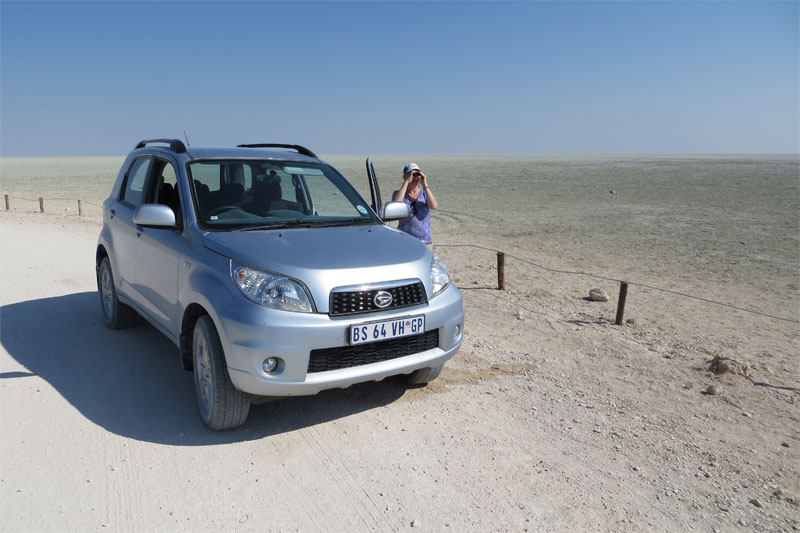
Laurie watching imaginary wildlife next to our Daihatsu 4X4
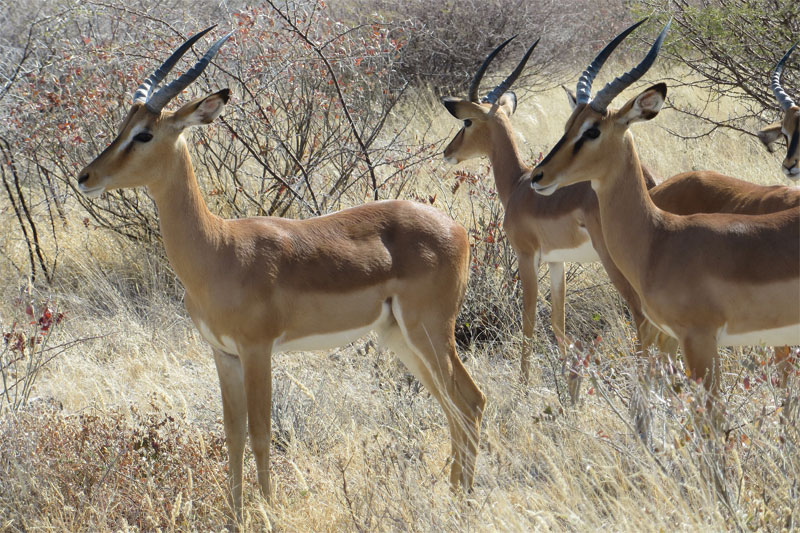
3 younger Impala
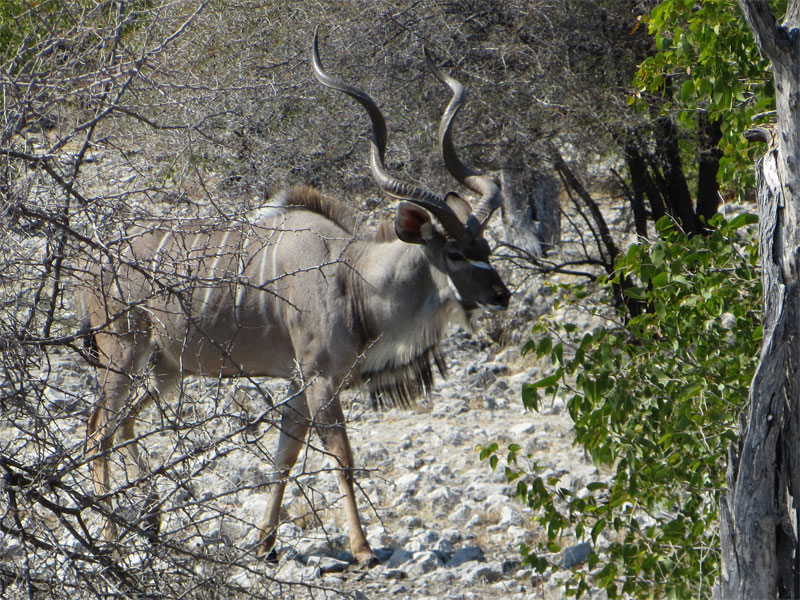
Kudu bull
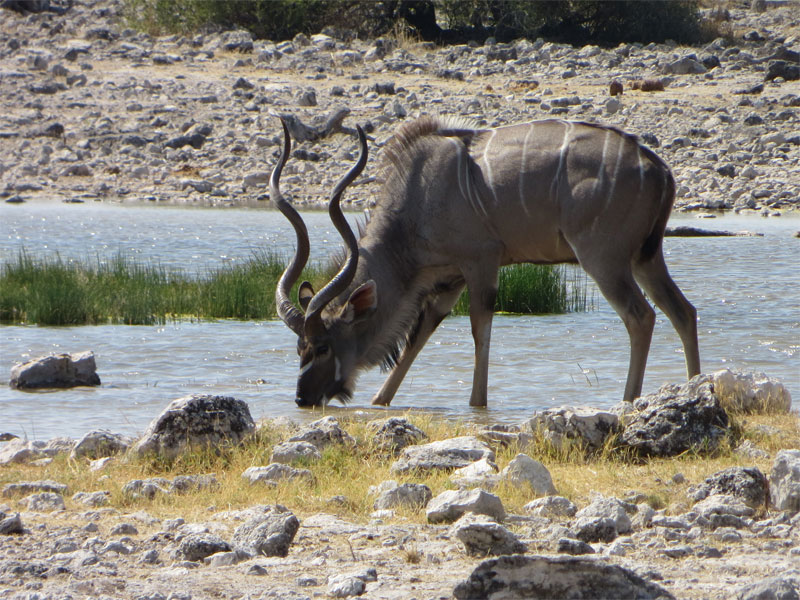
They can weigh up to 780 lbs. and have horns as long as 72 inches.
Continue to cruise with us through Namibia
Home | Ethiopia | Guatemala | India | Vietnam | Grand Canyon